When selling a construction business, equipment often becomes one of the most misunderstood components of valuation. Many construction business owners believe their fleet, machinery, and tools represent the majority of their company’s worth. While equipment absolutely plays a significant role, buyers evaluate it differently than most sellers expect.
If you are considering selling a construction business in Florida, understanding how equipment affects valuation, buyer perception, financing, and deal structure is essential. Proper preparation and positioning of your assets can significantly influence the strength of your offers.
This guide explains how equipment impacts construction business value, what buyers look for, and how to maximize asset appeal before going to market.
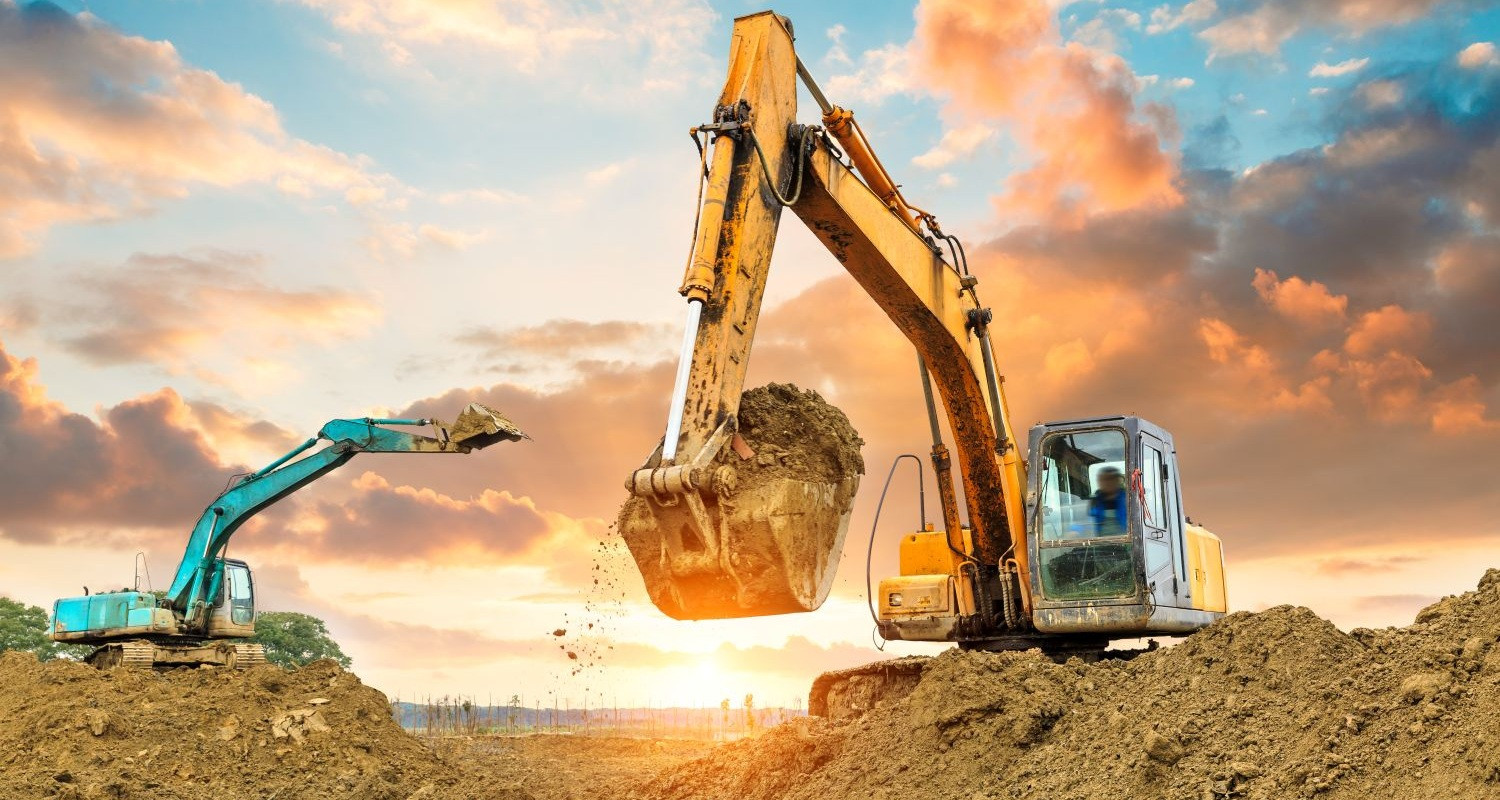
Equipment: Asset or Liability?
Construction businesses are asset-intensive. Depending on your specialty, you may own:
- Work trucks and vans
- Heavy machinery
- Excavators and skid steers
- Concrete equipment
- Roofing lifts
- HVAC service vehicles
- Electrical diagnostic equipment
- Trailers and storage units
- Specialized trade tools
However, buyers don’t simply add up replacement cost and include that number in the purchase price.
Instead, they ask:
- What is the fair market value of the equipment?
- Is it owned free and clear?
- Is it financed or leased?
- What is its remaining useful life?
- Does it support ongoing profitability?
- Is it essential to operations or replaceable?
Understanding this mindset helps sellers avoid unrealistic pricing expectations.
How Buyers Value Construction Equipment
Buyers typically evaluate equipment in one of three ways:
1. Fair Market Value (FMV)
This reflects what the equipment could realistically sell for today—not what you originally paid for it.
2. Book Value
Based on depreciation schedules in your financial statements. Book value often differs significantly from market value.
3. Replacement Value (Rarely Used for Valuation)
While useful for insurance purposes, replacement value rarely determines sale price.
In most small to mid-sized construction business sales, equipment is either:
- Included in the purchase price as part of the asset sale
- Valued separately and added to the business valuation
- Financed or paid off at closing
Proper documentation is critical.
Why Equipment Condition Matters More Than Quantity
A construction business for sale with ten poorly maintained trucks is often less attractive than one with five well-maintained, clean, branded vehicles.
Buyers look at:
- Maintenance records
- Service history
- Cleanliness and appearance
- Branding and presentation
- Safety compliance
- Equipment utilization rates
Well-maintained equipment signals operational discipline. Poorly maintained assets suggest potential hidden problems.
Equipment and Financing Considerations
Lenders carefully review equipment during SBA-backed construction business acquisitions.
They want to confirm:
- Titles are clear
- No undisclosed liens exist
- Asset lists match financial statements
- Equipment supports revenue
- Asset values justify loan collateral
Disorganized records can delay financing or reduce loan approval amounts.
Preparing documentation in advance improves deal flow and protects valuation.
Owned vs. Leased Equipment
Buyers evaluate ownership structure carefully.
Owned Equipment:
- Increases tangible asset value
- Simplifies closing
- Strengthens collateral position
- Reduces monthly obligations
Leased Equipment:
- May reduce upfront capital requirements
- Could complicate transfer agreements
- Must be reviewed for assignability
Clear documentation of leases, loan balances, and titles is essential before listing your construction company for sale.
When Equipment Helps Increase Construction Business Value
Equipment can strengthen your valuation when:
- It is specialized and difficult to replace
- It supports high-margin services
- It allows the company to complete work in-house
- It reduces subcontractor dependency
- It is newer and well-maintained
- It enhances operational efficiency
For example, a concrete company with well-maintained pump trucks or a roofing company with specialized lifts may justify stronger offers due to operational capability.
Preparing Equipment Before Selling a Construction Business
If you are planning to sell a construction company in the next 6–18 months, take these steps:
1. Organize a Detailed Equipment List
Include:
- Year
- Make
- Model
- VIN/serial numbers
- Estimated market value
- Condition
- Ownership status
2. Update Maintenance Records
Buyers feel more confident when service logs are current.
3. Resolve Title and Lien Issues
Clear any outstanding paperwork discrepancies early.
4. Repair Major Issues
Minor investment in repairs can improve buyer perception significantly.
5. Clean and Present Equipment Professionally
Visual presentation matters during buyer walkthroughs.
Equipment and Deal Structure
In many construction company sales, equipment impacts how the deal is structured.
Possible scenarios include:
- Equipment included in purchase price
- Equipment valued separately
- Seller retains certain assets
- Buyer finances equipment through lender
- Seller pays off liens at closing
Proper planning avoids last-minute renegotiations.
Strategic vs. Individual Buyers and Equipment
Strategic buyers may:
- Integrate your fleet into their existing operation
- Replace equipment post-closing
- Value customer base more heavily than assets
Individual buyers often:
- Rely on existing equipment to operate immediately
- Place higher emphasis on asset readiness
- Depend on equipment for financing approval
Understanding buyer type helps position equipment properly.
The Bigger Picture: Cash Flow Still Drives Value
While equipment matters, remember that construction businesses are primarily valued based on:
- Seller’s Discretionary Earnings (SDE)
- Backlog and pipeline
- Licensing structure
- Workforce stability
- Systems and documentation
Equipment supports profitability—but rarely replaces it as the core valuation driver.
Final Thoughts
When selling a construction business in Florida, equipment should be presented strategically—not emotionally. Organized records, clear ownership, proper maintenance, and realistic valuation dramatically improve buyer confidence and financing success.
If you are considering selling a construction company and want to understand how your equipment, financial performance, and backlog impact your overall value, speak with professionals who understand construction transactions.
Truforte Business Group specializes in helping Florida construction business owners prepare properly, structure deals effectively, and attract qualified buyers who recognize true value. If you are thinking about selling now or planning your exit in the future, contact Truforte Business Group for a confidential consultation and professional valuation.


