Case Study: Two Florida Restaurants Facing Hurricane Season
Why Storm Preparedness Can Make or Break a Sale
The following is a fictional case study created for illustrative purposes. Florida’s hurricane season creates a unique risk factor that buyers weigh heavily when evaluating a business. Two restaurants with similar revenue faced very different outcomes when it came time to sell, largely based on how well each had prepared for storm-related disruption. Owners considering a sale should understand how exit strategy planning and risk management affect buyer confidence.
We compare two Gulf Coast restaurant owners who took very different approaches to hurricane preparedness in the years before listing their businesses.
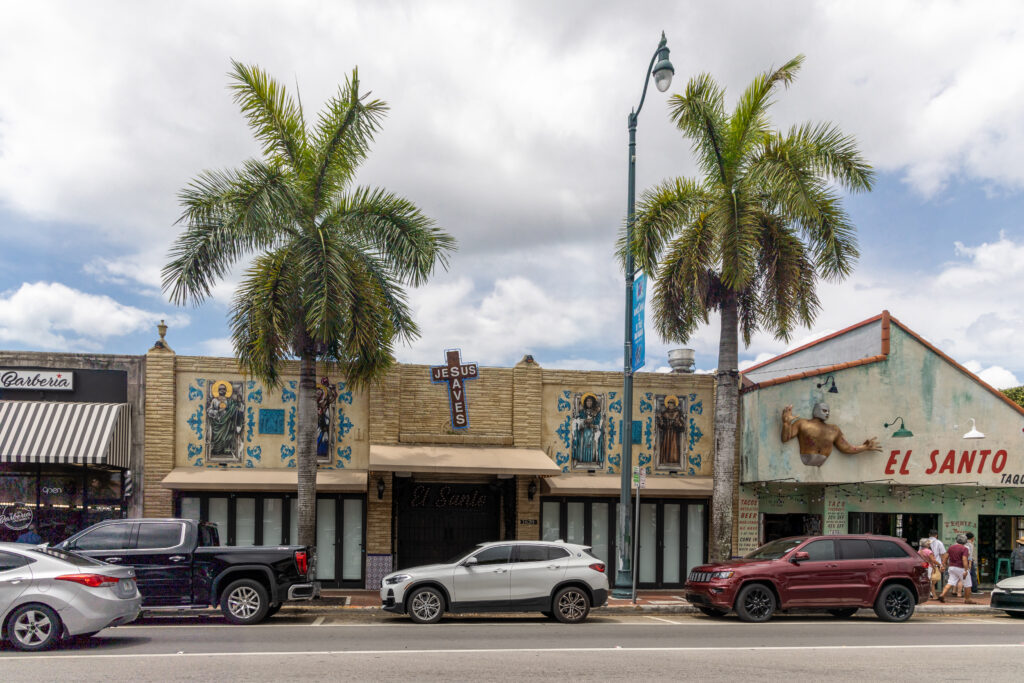
Two Florida Restaurants
Restaurant A: Prepared and Diversified
- Carried comprehensive windstorm and business interruption insurance
- Maintained a documented hurricane response and reopening plan
- Diversified revenue with catering and a food truck that could operate off-site during repairs
- Sold within 5 months at a strong multiple
The owner of Restaurant A, located near Sarasota, treated storm risk as a manageable part of doing business in Florida. Buyers reviewed the insurance policies and response plan during due diligence and came away confident that a future storm would not derail operations for long.
Restaurant B: Unprepared and Exposed
- Carried only basic property insurance with no business interruption coverage
- Had no documented plan for closures or staff continuity during a storm
- Revenue depended entirely on the single dine-in location
- Buyers requested price reductions and some walked away entirely
Restaurant B, a comparable business in Fort Myers, had never been tested by a major storm and had no formal plan in place. During buyer due diligence, this lack of preparation raised concerns about how a single bad season could impact the business, and several buyers negotiated lower offers or exited the process.
| Factor | Restaurant A (Prepared) | Restaurant B (Unprepared) |
|---|---|---|
| Insurance Coverage | Windstorm + business interruption | Basic property only |
| Revenue Diversification | Catering and food truck | Single location only |
| Time to Sell | 5 months | Extended, some buyers withdrew |
| Buyer Confidence | High | Low |
How Hurricane Risk Influences Business Valuations
Florida buyers and their lenders are increasingly sophisticated about hurricane risk. A business with documented insurance coverage, a response plan, and diversified revenue signals that ownership has managed risk proactively. Without these safeguards, buyers must price in the possibility of an extended closure, lost revenue, or costly repairs with no coverage to offset them, which shows up directly in a lower offer or a stalled deal.
Lessons for Business Owners
If you operate a business in a hurricane-prone area and are planning to sell in the next few years, take time now to review your insurance coverage, document a storm response plan, and look for ways to diversify revenue so the business is not entirely dependent on one location. Our team at Truforte Business Group works with Florida owners to identify these kinds of risk factors before going to market. Start with a complimentary opinion of value to see how buyers are likely to view your business today.
Related Case Studies
For more real-world (fictional) examples of how deal factors affect outcomes, see: Case Study: Selling a Seasonal Florida Business, Case Study: Insurance Costs and Business Value, Case Study: Seven Years vs. Eight Months Left on the Lease.
Related reading: Case Study: Selling a Seasonal Florida Business and Case Study: Insurance Costs and Business Value.
Curious what your business is worth? Get a free business valuation from our team.