Selling a Demolition Business in Florida
Trusted Guidance for Owners Ready to Sell Their Demolition Business
If you are considering selling a demolition business in Florida, buyers will want to understand your project backlog, equipment, employees, subcontractors, customers, and profitability.
Demolition contractors can work on residential, commercial, industrial, and redevelopment projects. Revenue may come from complete building demolition, interior demolition, selective demolition, concrete removal, debris handling, and related services.
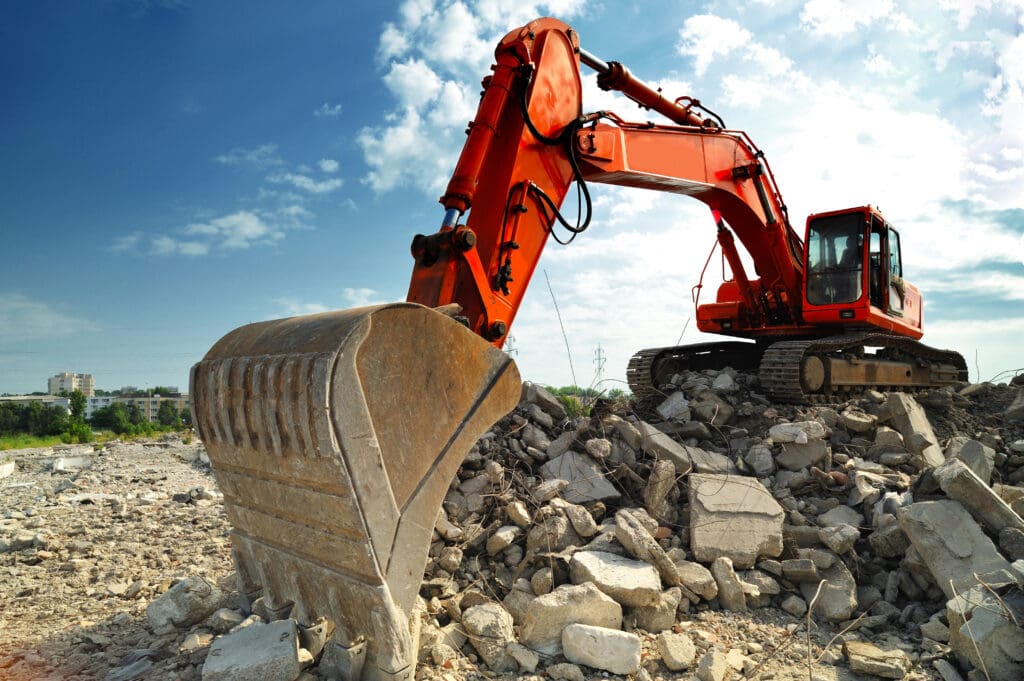
Specialized equipment and experienced operators can create significant operating capabilities for an established company.
Florida’s construction and redevelopment activity can provide opportunities for demolition contractors. Buyers will examine whether revenue is diversified across customers and project types.
Demolition companies support commercial redevelopment, residential construction, renovations, site preparation, and other construction projects throughout Florida.
A specialized demolition company can attract buyers when it has experienced employees, strong contractor relationships, reliable equipment, and a history of profitable projects.
What Buyers Look For
Potential buyers may evaluate:
- Revenue
- Project margins
- Equipment
- Contracts
- Customer concentration
- Employees
- Safety record
- Insurance
- Permitting
- Backlog
- Owner involvement
Equipment Is a Major Consideration
Demolition businesses may use:
- Excavators
- Loaders
- Skid steers
- Specialized attachments
- Trucks
- Trailers
- Crushers
- Specialized tools
Prepare an accurate asset schedule showing ownership and condition.
Safety and Compliance
Because demolition work can involve significant operational risks, buyers may closely review:
- Safety procedures
- Insurance
- Claims
- Permits
- Compliance records
- Employee training
Address documentation gaps before a buyer discovers them during due diligence.
Customer Relationships
Document your relationships with:
- General contractors
- Developers
- Property owners
- Construction companies
- Municipal customers
- Commercial property managers
Project-Level Profitability
Buyers may analyze:
- Labor
- Disposal costs
- Equipment
- Fuel
- Permits
- Subcontractors
- Insurance
- Overhead
Preparing for Sale
A seller should prepare financial, operational, safety, insurance, equipment, employee, customer, and contractual documentation.
The Florida Business Seller Due Diligence Checklist provides a useful framework for organizing these records.
Due Diligence
Buyers may review financial statements, tax returns, contracts, permits, insurance, equipment, vehicles, employees, subcontractors, and project records.
Current projects should be reviewed carefully. Buyers may assess remaining work, expected disposal costs, equipment requirements, and projected margins.
Equipment condition is also important. Records should identify major machinery and vehicles and show whether each asset is owned, financed, or leased.
Environmental or regulatory obligations should be documented where applicable.
Buyers may also review claims, customer disputes, accidents, insurance matters, and outstanding project obligations.
Frequently Asked Questions
How much is a demolition company worth?
Value depends on earnings, equipment, customer relationships, project margins, backlog, management, and risk.
Does safety history affect buyer interest?
It can. Buyers may review claims, insurance history, safety procedures, and compliance records.
Is demolition equipment included in the sale?
It often can be, but the exact treatment is negotiated.
Are demolition contracts transferable?
It depends on the individual contract. Buyers and their attorneys should review assignment provisions.
Who buys demolition companies?
Potential buyers include contractors, construction companies, site-development companies, strategic buyers, and entrepreneurs.
Related reading: Selling a Concrete Cutting Business in Florida and Selling a Site Preparation Business in Florida.