Your Trusted Resource for Buying, Selling, and Valuing Vineyards and Wineries in Florida
Florida may be best known for its beaches, tourism, and citrus groves, but it has also become home to a growing wine industry that offers exciting opportunities for entrepreneurs, investors, and business owners. From boutique wineries producing handcrafted wines to destination vineyards that host weddings, festivals, and private events, Florida wineries have evolved into diversified businesses that combine agriculture, manufacturing, hospitality, and tourism.
If you are searching for vineyards and wineries for sale in Florida, you are entering a market with tremendous potential. Many established wineries have built loyal customer bases, recognizable brands, recurring wine club memberships, and profitable event businesses that create multiple revenue streams. For buyers, purchasing an existing winery can provide an opportunity to acquire an established operation rather than starting from scratch. For owners, the current demand from entrepreneurs, lifestyle investors, and strategic buyers may create favorable conditions for a successful exit.
At Truforte Business Group, we help buyers and sellers navigate every stage of the transaction. Our experienced business brokers provide confidential marketing, professional business valuations, buyer qualification, negotiation support, and guidance through due diligence and closing. Whether you own a small family vineyard, a destination winery with event facilities, or a large production operation, our goal is to help maximize value while protecting your confidentiality throughout the sales process.
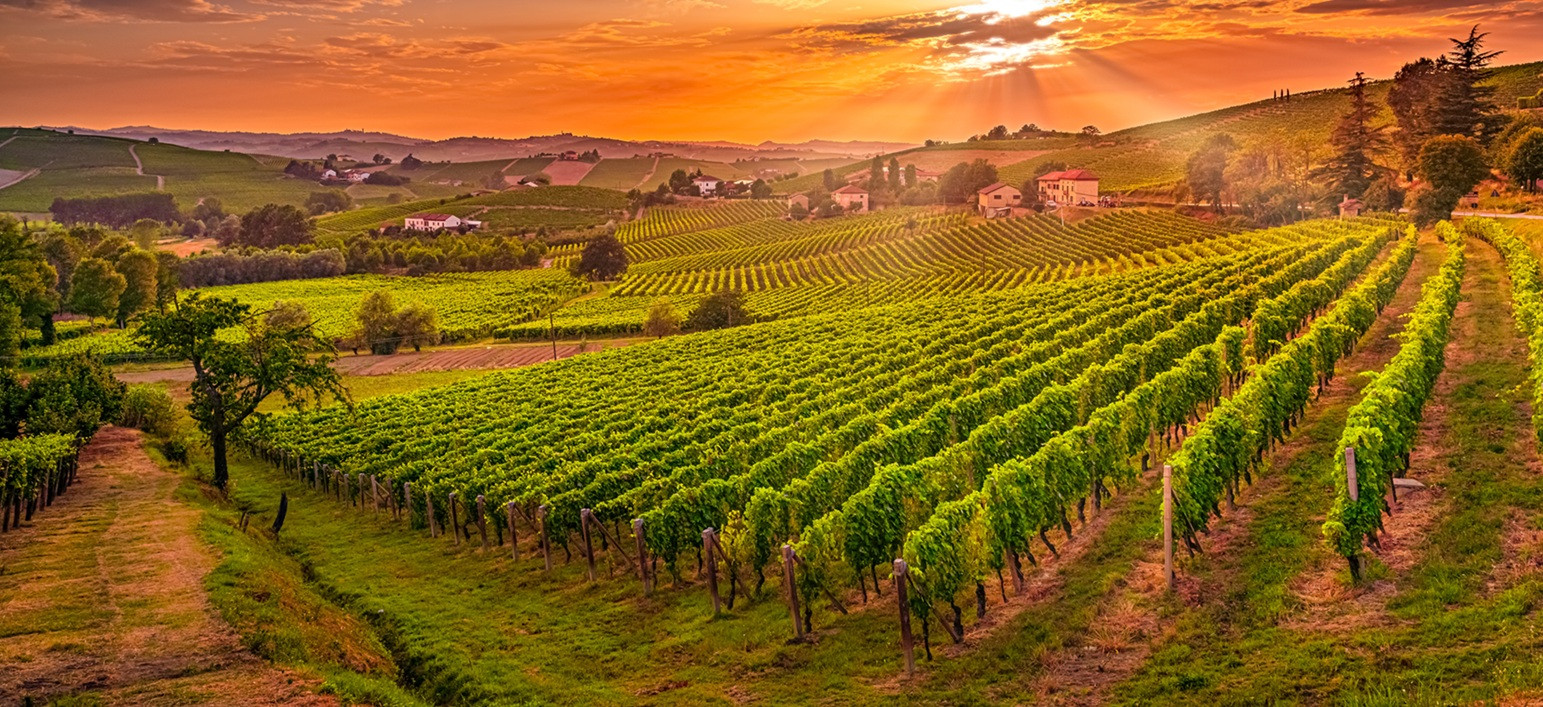
Florida’s Wine Industry Continues to Grow
Many people are surprised to learn that Florida has a thriving wine industry. While the state’s climate differs significantly from traditional wine-growing regions such as California, Oregon, and Washington, Florida wineries have successfully developed unique business models that capitalize on local agriculture and tourism.
Some wineries specialize in muscadine grape wines, while others produce wines made from blueberries, strawberries, peaches, mangoes, citrus, blackberries, and other tropical fruits grown throughout the state. These distinctive products attract both residents and millions of visitors seeking authentic Florida experiences.
The industry’s growth has also been fueled by increasing consumer interest in locally produced food and beverages. Visitors are no longer looking only for wine tastings—they want memorable experiences. Florida wineries have responded by creating destinations where guests can spend an afternoon touring vineyards, sampling wines, enjoying live entertainment, dining with friends, or celebrating special occasions.
This evolution has transformed many wineries from simple manufacturing businesses into hospitality destinations with diverse and recurring sources of income.
Why Buyers Are Interested in Florida Vineyards and Wineries
Purchasing a winery offers far more than owning a manufacturing business. Buyers are often attracted by the combination of lifestyle, investment potential, and diversified operations.
Unlike many businesses that rely on a single product or service, successful wineries often generate revenue from several complementary activities.
Common revenue sources include:
- Wine production and retail sales
- Wholesale distribution
- Wine tasting experiences
- Vineyard tours
- Wedding venues
- Private events
- Corporate functions
- Wine club memberships
- Seasonal festivals
- Gift shops
- Food service
- Agricultural tourism
- Merchandise sales
- Online wine sales where permitted
This diversification can make wineries more resilient during economic fluctuations. If one revenue source slows temporarily, others may continue producing steady cash flow.
Many buyers also appreciate that wineries often become community gathering places with strong customer loyalty and significant opportunities for brand development.
The Advantages of Buying an Existing Winery
Starting a winery from the ground up can require years of planning, licensing, construction, vineyard development, equipment purchases, branding, and customer acquisition. Purchasing an existing operation often allows a buyer to bypass many of these challenges.
Benefits of buying an established winery may include:
Established Cash Flow
Instead of waiting years to build a customer base, buyers acquire a business already generating revenue.
Existing Brand Recognition
A respected local reputation may take years to develop. Purchasing an established winery often includes valuable goodwill that can significantly reduce future marketing costs.
Experienced Employees
Many successful wineries operate with knowledgeable production staff, event coordinators, tasting room employees, vineyard managers, and administrative personnel who understand the business.
Proven Operating Systems
Established wineries typically have documented production processes, inventory systems, vendor relationships, customer databases, and operating procedures already in place.
Existing Customer Base
Repeat customers often become one of a winery’s greatest assets. Loyal patrons frequently return for new releases, special events, and wine club memberships.
Immediate Market Presence
Rather than spending years introducing a new business to the marketplace, buyers can begin building upon an existing reputation from day one.
Types of Vineyards and Wineries for Sale in Florida
Florida’s wine industry is surprisingly diverse. Understanding the various business models helps buyers identify opportunities that best match their investment goals and experience.
Navigating Florida Winery Transactions: Buying and Selling Guide
Boutique wineries typically focus on producing limited quantities of premium wines. These businesses emphasize craftsmanship, customer service, and memorable tasting experiences.
Characteristics often include:
- Small production volumes
- Premium pricing
- High customer loyalty
- Local brand recognition
- Personalized tasting experiences
- Strong profit margins
Many boutique wineries become destination businesses despite producing relatively modest quantities of wine.
Destination Wineries
Destination wineries have expanded beyond wine production to become entertainment and hospitality venues.
These businesses frequently feature:
- Large tasting rooms
- Restaurants or cafés
- Outdoor gathering spaces
- Wedding venues
- Corporate event facilities
- Live entertainment
- Seasonal festivals
- Retail gift shops
For many destination wineries, events generate a substantial portion of annual revenue.
Working Vineyards
Some businesses include productive vineyards where grapes or specialty fruits are cultivated on-site.
Assets may include:
- Agricultural land
- Irrigation systems
- Trellising
- Farm equipment
- Harvest machinery
- Storage buildings
- Processing facilities
These operations appeal to buyers seeking greater control over production while benefiting from real estate ownership.
Fruit Wine Producers
Florida has become well known for wines produced from fruits beyond traditional wine grapes.
Popular varieties include:
- Blueberry wines
- Orange wines
- Mango wines
- Blackberry wines
- Strawberry wines
- Peach wines
- Tropical fruit blends
- Muscadine wines
These unique products help distinguish Florida wineries from competitors in other states while appealing to tourists looking for distinctly local experiences.
Estate Wineries
Estate wineries combine vineyards, production facilities, tasting rooms, and often luxury event spaces on a single property.
These businesses may include:
- Premium real estate
- Luxury hospitality facilities
- Scenic vineyard settings
- Event centers
- Wedding venues
- Fine dining
- High-end wine production
Estate wineries often attract buyers seeking both an investment and a lifestyle business.
Best Regions to Own a Vineyard or Winery in Florida
Florida offers several regions where wineries have successfully established thriving businesses. Each area provides unique advantages depending on the target market, climate, tourism patterns, and agricultural opportunities.
North Florida
North Florida’s rolling terrain and cooler seasonal temperatures make it one of the state’s most established wine-producing regions. The area supports muscadine grape cultivation and benefits from visitors traveling between major metropolitan areas and nearby attractions.
Many wineries in this region emphasize scenic countryside experiences, vineyard tours, and locally produced wines.
Central Florida
Central Florida offers exceptional tourism exposure. Millions of visitors travel through the region annually, creating opportunities for wineries that combine tasting experiences with entertainment, dining, and special events.
The area’s accessibility also makes it attractive for weddings, corporate retreats, and weekend getaways.
Tampa Bay Area
The Tampa Bay region combines a large local population with a strong tourism economy. Boutique wineries, tasting rooms, and agritourism destinations can benefit from year-round visitor traffic and a growing appreciation for locally produced food and beverages.
Its proximity to major transportation corridors also supports wholesale distribution opportunities.
Southwest Florida
Communities such as Fort Myers, Naples, Cape Coral, Punta Gorda, and surrounding areas continue experiencing significant residential growth. Affluent seasonal residents, retirees, and tourists create strong demand for unique dining and entertainment experiences.
Wineries that offer tasting rooms, live music, food pairings, and private events often find receptive audiences throughout Southwest Florida.
Northeast Florida
The Jacksonville and St. Augustine areas combine historical tourism with a rapidly growing population. Boutique wineries and vineyard destinations benefit from both local residents and millions of annual visitors exploring Florida’s oldest city and surrounding attractions.
Florida Panhandle
The Panhandle continues attracting vacationers from across the Southeast. Smaller wineries serving both residents and tourists have opportunities to develop loyal followings while benefiting from comparatively lower operating costs in many communities.
Florida Wineries Benefit from Agritourism
One of the biggest advantages of owning a Florida winery is the ability to participate in the state’s expanding agritourism industry.
Modern consumers increasingly seek experiences rather than simply purchasing products. Successful wineries capitalize on this trend by creating destinations where visitors can spend several hours enjoying the property.
Popular agritourism activities include:
- Vineyard tours
- Wine tastings
- Harvest festivals
- Outdoor concerts
- Farm-to-table dinners
- Cooking classes
- Holiday celebrations
- Private parties
- Educational workshops
- Photography sessions
- Seasonal markets
- Wedding ceremonies
These experiences not only generate additional revenue but also deepen customer relationships, encourage repeat visits, and strengthen brand loyalty.
As consumer demand for experiential travel continues to grow, wineries that successfully blend wine production with hospitality and entertainment are often well positioned for long-term success.
How Vineyards and Wineries Are Valued
One of the first questions both buyers and sellers ask is, “What is a winery worth?” The answer depends on far more than annual revenue. Every winery has its own combination of assets, cash flow, real estate, brand recognition, customer loyalty, and future growth potential.
Unlike many traditional businesses, wineries often combine several business models into one operation. A single winery may include manufacturing, retail sales, hospitality, agriculture, event management, tourism, and real estate. Because of this, valuation requires an understanding of multiple industries.
Professional business brokers typically analyze numerous factors before determining a realistic market value.
Cash Flow Is Still King
The single most important factor for most buyers is the business’s ability to generate consistent cash flow.
Depending on the size of the operation, brokers and buyers may evaluate:
- Seller’s Discretionary Earnings (SDE)
- EBITDA
- Net operating income
- Historical profitability
- Owner compensation
- Add-backs
- Future earnings potential
Businesses with stable and growing profits generally receive stronger buyer interest than businesses with inconsistent financial performance.
Real Estate Can Significantly Influence Value
Many Florida winery transactions include valuable real estate.
Examples include:
- Vineyard acreage
- Production buildings
- Barrel storage facilities
- Tasting rooms
- Event barns
- Restaurants
- Warehouses
- Parking areas
- Agricultural land
- Owner residences
In some transactions, the real estate may represent a substantial portion of the total purchase price. In others, the seller may retain ownership of the property and lease it to the buyer, creating flexibility for both parties.
Equipment and Production Assets
A winery often includes specialized equipment that would be expensive for a buyer to replace.
Assets may include:
- Fermentation tanks
- Presses
- Bottling lines
- Labeling equipment
- Corking machines
- Barrel inventory
- Refrigeration systems
- Laboratory equipment
- Forklifts
- Tractors
- Agricultural equipment
- Delivery vehicles
The age, condition, maintenance history, and replacement cost of these assets all influence value.
Brand Equity Matters
Many winery owners underestimate the value of the brand they have built over the years.
An established winery may have:
- Excellent online reviews
- Strong local recognition
- Awards and industry recognition
- Loyal customers
- Active social media audiences
- Email marketing lists
- Wine club members
- Long-standing community relationships
These intangible assets can significantly increase buyer interest because they reduce the time and expense required to grow the business after closing.
Recurring Revenue Creates Stability
One characteristic sophisticated buyers appreciate is predictable recurring revenue.
Wine clubs have become one of the most valuable assets many wineries possess.
Members often receive:
- Quarterly wine shipments
- Exclusive releases
- Invitations to special events
- Member discounts
- Priority access to limited-production wines
- Private tastings
These memberships provide recurring cash flow while encouraging repeat purchases and strengthening customer loyalty.
Other recurring revenue sources may include:
- Corporate event contracts
- Wedding venue bookings
- Restaurant partnerships
- Wholesale distribution agreements
- Subscription merchandise
- Annual festivals
- Vineyard memberships
Businesses with recurring revenue often command stronger valuations because future income is more predictable.
Financing a Florida Winery Purchase
Buying a winery is a significant investment, but buyers have several financing options available.
Conventional Commercial Loans
Banks may finance established wineries that demonstrate consistent profitability and strong financial performance.
Lenders typically review:
- Historical financial statements
- Tax returns
- Cash flow
- Collateral
- Buyer experience
- Debt service coverage
SBA Financing
Many winery transactions may qualify for financing through Small Business Administration loan programs, depending on the structure of the business and lender requirements.
SBA financing may offer:
- Lower down payments
- Longer repayment terms
- Competitive interest rates
- Financing for furniture, fixtures, equipment, and working capital
An experienced business broker can help buyers assemble the financial information lenders commonly request.
Seller Financing
Seller financing remains common in business sales.
Benefits include:
For buyers:
- Reduced upfront capital
- Easier financing
- Seller confidence in future performance
For sellers:
- Larger buyer pool
- Potential tax advantages
- Ongoing income
- Faster transaction completion
Seller financing often demonstrates that the owner believes in the future success of the business.
Investor Partnerships
Some buyers choose to partner with investors who provide capital while the operating partner manages the winery.
This structure may appeal to buyers with industry experience but limited capital.
Due Diligence When Buying a Winery
Once a purchase agreement has been signed, buyers begin one of the most important phases of the transaction: due diligence.
The goal is to verify that the business matches the seller’s representations and identify any potential risks before closing.
Financial Review
Buyers typically examine:
- Three to five years of financial statements
- Tax returns
- General ledger
- Bank statements
- Sales reports
- Inventory records
- Payroll information
- Accounts receivable
- Accounts payable
This process confirms the financial performance of the business.
Operational Review
Buyers also evaluate how the winery operates day to day.
Areas may include:
- Production capacity
- Equipment condition
- Standard operating procedures
- Staffing
- Inventory management
- Vendor relationships
- Customer service processes
- Point-of-sale systems
Well-documented systems reduce transition risk.
Legal Review
A thorough legal review often includes:
- Business licenses
- Alcohol permits
- Trademark registrations
- Vendor agreements
- Distribution contracts
- Employment agreements
- Equipment leases
- Real estate leases
- Pending litigation
- Insurance policies
Professional advisors help ensure that buyers understand the legal obligations they will assume after closing.
Licensing and Regulatory Requirements
Owning a winery involves more regulatory oversight than many other businesses.
Depending on the operation, buyers may need to understand requirements involving:
- Federal alcohol permits
- Florida alcoholic beverage licensing
- Agricultural regulations
- Food safety compliance
- Local zoning
- Environmental regulations
- Fire inspections
- Health department requirements
- Sales tax compliance
- Employment regulations
Understanding these requirements early helps prevent delays during the acquisition process.
Inventory Is More Than Bottles of Wine
Inventory often represents a significant investment.
Buyers should evaluate:
- Finished bottled wine
- Wine currently aging
- Barrels
- Bulk wine
- Bottles
- Corks
- Labels
- Packaging materials
- Merchandise
- Gift shop inventory
- Restaurant inventory, if applicable
A detailed inventory count is commonly performed before closing.
Employees Can Be One of the Greatest Assets
Experienced employees often contribute significantly to a winery’s success.
Key personnel may include:
- Winemakers
- Vineyard managers
- Production supervisors
- Event coordinators
- Hospitality managers
- Tasting room staff
- Sales representatives
- Marketing personnel
- Administrative employees
Businesses with experienced management teams that operate independently of the owner often attract stronger buyer interest.
Event Revenue Has Become a Major Value Driver
Many modern wineries generate substantial revenue from events rather than wine production alone.
Examples include:
- Weddings
- Corporate retreats
- Holiday parties
- Charity fundraisers
- Live music
- Wine festivals
- Educational seminars
- Private tastings
- Culinary events
Event revenue helps diversify income while introducing new customers to the winery.
Buyers frequently ask:
- How many weddings are booked?
- What percentage of revenue comes from events?
- Are bookings transferable?
- Is there room to expand?
Businesses with established event calendars often enjoy predictable future income.
Technology Is Increasingly Important
Today’s buyers expect wineries to have modern systems that improve efficiency and customer engagement.
Technology may include:
- Online reservations
- E-commerce platforms
- Customer relationship management (CRM) software
- Wine club management systems
- Inventory tracking
- Accounting software
- Marketing automation
- Email campaigns
- Online gift card sales
A well-integrated technology platform makes the business easier to operate and scale.
Preparing a Winery for Sale
Owners who begin preparing years before listing their winery often achieve stronger sale prices and smoother closings.
Preparation may include:
Organize Financial Records
Clean financial statements inspire buyer confidence and reduce questions during due diligence.
Reduce Owner Dependence
If every decision depends on the owner, buyers perceive greater risk.
Developing managers and documenting procedures can substantially improve value.
Improve Curb Appeal
First impressions matter.
Simple improvements may include:
- Fresh landscaping
- Updated signage
- Exterior maintenance
- Interior improvements
- Modern tasting room décor
- Equipment maintenance
Document Operating Procedures
Buyers appreciate businesses that include written procedures covering:
- Wine production
- Inventory management
- Customer service
- Event planning
- Employee training
- Safety procedures
Comprehensive documentation shortens the learning curve after closing.
Evaluate Growth Opportunities
Owners should identify realistic expansion opportunities, such as:
- Additional event space
- Expanded wine club memberships
- Wholesale growth
- Online sales
- New product lines
- Tourism partnerships
Buyers are willing to pay for demonstrated opportunities supported by realistic business plans.
Why Professional Representation Matters
Selling a winery involves far more than advertising a business for sale.
An experienced business broker helps coordinate:
- Confidential marketing
- Buyer qualification
- Business valuation
- Offer negotiations
- Financing discussions
- Due diligence
- Professional advisors
- Closing coordination
Professional representation allows owners to continue operating their winery while the sale process moves forward behind the scenes.
Marketing a Winery Confidentially
For many winery owners, confidentiality is one of the biggest concerns when selling their business. Employees, distributors, suppliers, customers, and even competitors may react negatively if they learn the business is for sale prematurely. Staff members may become uncertain about their future, customers may question the stability of the business, and competitors may attempt to capitalize on rumors.
A professional business broker develops a confidential marketing strategy that protects the identity of the winery while still attracting qualified buyers.
At Truforte Business Group, confidentiality is a cornerstone of every transaction. We understand that preserving business stability during the sales process is often just as important as finding the right buyer.
Our confidential marketing process may include:
- Blind advertisements that do not reveal the winery’s identity
- Professionally prepared Confidential Information Memorandums (CIMs)
- Buyer financial qualification before sensitive information is released
- Signed Non-Disclosure Agreements (NDAs)
- Controlled distribution of financial records
- Private buyer meetings
- Confidential property tours scheduled to minimize disruption
- Ongoing communication throughout negotiations
This structured approach helps protect the value of the business while allowing serious buyers to obtain the information they need to make informed decisions.
Who Is Buying Florida Wineries?
Demand for vineyards and wineries comes from a wide variety of buyers, each bringing different goals and investment strategies.
Common buyer profiles include:
Entrepreneurs
Many buyers are seeking a lifestyle business that combines agriculture, hospitality, and entrepreneurship.
Existing Winery Owners
Established winery operators often expand by acquiring additional locations, increasing production capacity, or entering new geographic markets.
Hospitality Companies
Restaurant groups, resorts, event companies, and tourism operators may purchase wineries to diversify their offerings and enhance guest experiences.
Agricultural Investors
Investors interested in farmland, specialty agriculture, and agritourism frequently view wineries as long-term investment opportunities.
Private Equity and Strategic Buyers
Well-established wineries with strong management teams, recurring revenue, and multiple locations may attract institutional investors seeking scalable businesses.
International Investors
Florida remains an attractive destination for international entrepreneurs due to its growing population, strong tourism economy, business-friendly environment, and global accessibility. Established wineries can be particularly appealing to buyers seeking a business with proven operations and growth potential.
Why Sellers Choose Truforte Business Group
Selling a winery requires more than listing it for sale online. It requires careful planning, accurate valuation, confidential marketing, skilled negotiation, and experienced transaction management.
Truforte Business Group represents business owners throughout Florida with a comprehensive approach designed to maximize value while minimizing disruption to daily operations.
Our services include:
- Professional business valuations based on current market conditions
- Confidential marketing strategies tailored to winery and vineyard businesses
- Access to qualified local, national, and international buyers
- Buyer screening and financial qualification
- Assistance with preparing financial information
- Negotiation support throughout the transaction
- Coordination with attorneys, accountants, lenders, and other advisors
- Guidance through due diligence and closing
Our objective is to help business owners achieve a successful transition while protecting the legacy they have worked hard to build.
Investing in Florida Vineyards and Wineries: A Guide
Is Florida a good place to own a winery?
Yes. Florida’s year-round tourism, growing population, and expanding agritourism industry create opportunities for wineries that offer memorable experiences in addition to quality wine.
What types of wine are produced in Florida?
Florida wineries commonly produce muscadine wines, tropical fruit wines, citrus wines, blueberry wines, blackberry wines, peach wines, and traditional grape wines where growing conditions allow.
Do all winery sales include vineyards?
No. Some transactions include productive vineyards and real estate, while others involve only the winery operations, tasting room, brand, equipment, and inventory.
Can I buy a winery even if I have never owned one?
Yes. Many successful buyers come from hospitality, manufacturing, agriculture, food and beverage, or general business backgrounds. Experienced employees often remain with the business following the sale, helping ensure a smooth transition.
How long does it usually take to sell a winery?
Every transaction is unique. Factors such as pricing, financial performance, documentation, financing, and buyer demand all influence the timeline. Well-prepared businesses with realistic valuations generally sell more efficiently.
How is inventory handled during a sale?
Inventory is typically counted and valued before closing. The purchase agreement outlines how bottled wine, aging inventory, merchandise, packaging materials, and other assets will be transferred.
Are wine clubs valuable?
Absolutely. Active wine club memberships provide recurring revenue, improve customer retention, and often increase buyer confidence because they demonstrate an established and loyal customer base.
Can the current owner stay involved after closing?
Yes. Many transactions include a transition period during which the seller trains the buyer, introduces key customers and vendors, and helps ensure operational continuity.
What documents should sellers prepare before listing their winery?
Owners should organize financial statements, tax returns, inventory records, equipment lists, employee information, vendor contracts, licenses, permits, operating procedures, and lease or real estate documentation.
Why should I use a business broker instead of selling my winery myself?
A professional business broker provides valuation expertise, confidential marketing, buyer qualification, negotiation experience, transaction management, and guidance through due diligence, allowing owners to continue running the business while the sale progresses.
Tips for Buyers Considering a Florida Winery
Before purchasing a vineyard or winery, buyers should carefully evaluate both the financial opportunity and the operational requirements.
Consider these best practices:
- Review at least three years of financial statements.
- Understand every revenue stream and how each contributes to profitability.
- Evaluate the condition and remaining useful life of production equipment.
- Learn about licensing requirements before closing.
- Meet key employees whenever possible.
- Assess the winery’s online reputation and customer reviews.
- Analyze recurring revenue from wine clubs and events.
- Understand seasonal trends in sales and tourism.
- Work with experienced legal, accounting, and lending professionals.
- Partner with a knowledgeable Florida business broker who understands the industry.
Buying the right winery involves much more than selecting a beautiful property. A thorough evaluation helps buyers make informed decisions and reduces the likelihood of unexpected challenges after closing.
Tips for Winery Owners Planning to Sell
Owners who begin planning several years before retirement often achieve significantly better results.
To maximize value:
- Keep accurate financial records.
- Build recurring revenue through memberships and events.
- Invest in staff development so the business is less dependent on the owner.
- Maintain equipment and facilities.
- Continue marketing even if retirement is approaching.
- Document operating procedures.
- Strengthen customer relationships.
- Develop a realistic succession or transition plan.
- Obtain a professional business valuation before going to market.
Early planning allows owners to address potential weaknesses before buyers discover them during due diligence.
Florida’s Future Looks Bright for Winery Businesses
Consumer interest in local products, experiential tourism, craft beverages, and destination events continues to support long-term demand for wineries across Florida.
Businesses that successfully combine quality wine production with hospitality, entertainment, and customer experiences are often positioned for continued growth.
As Florida’s population expands and tourism remains strong, many buyers continue searching for established winery businesses that offer diversified income, recognizable brands, and opportunities for future expansion.
Begin Your Search for Vineyards and Wineries for Sale in Florida
Whether you are looking to purchase your first winery, expand an existing wine business, invest in Florida agritourism, or prepare your vineyard for sale, working with an experienced business brokerage firm can make the process more efficient and successful.
At Truforte Business Group, we are committed to helping buyers identify exceptional opportunities while assisting business owners in achieving maximum value through professional representation, confidential marketing, and skilled negotiation.
If you are considering buying or selling a vineyard or winery in Florida, our experienced team is ready to guide you through every stage of the process—from valuation and confidential marketing to buyer qualification, due diligence, financing coordination, and closing.
Your winery represents years of hard work, dedication, and passion. Whether you are beginning a new chapter as a buyer or preparing to transition your business to new ownership, Truforte Business Group has the experience, market knowledge, and commitment to help you achieve your goals with confidence.
Contact Truforte Business Group today to learn more about available vineyards and wineries for sale in Florida or to schedule a confidential consultation and professional business valuation.